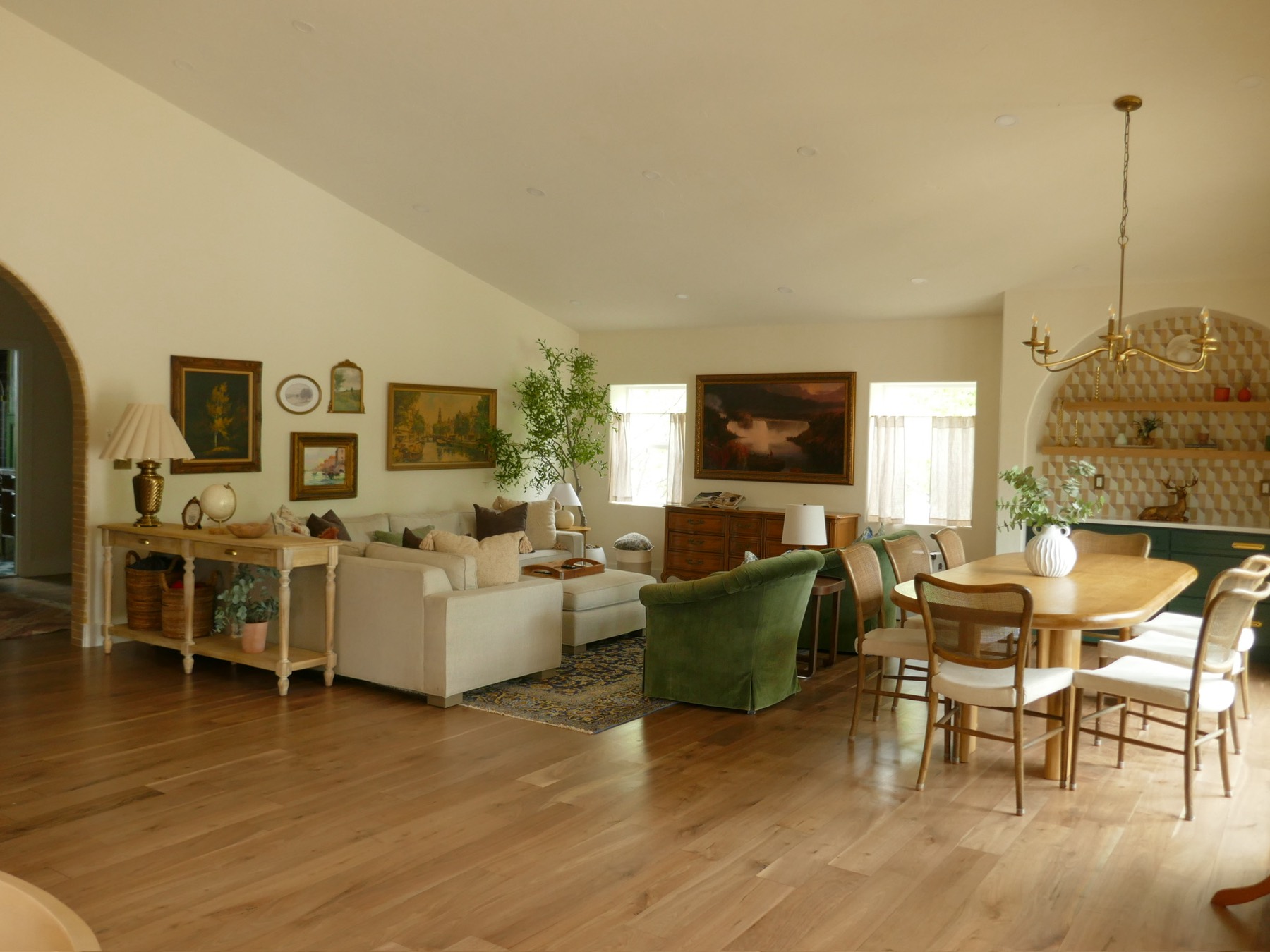
The secret to a remodel that looks expensive isn't spending more on everything — it's spending big on the handful of things that matter and quietly saving on the rest. The rule we give every client is simple: splurge on what's permanent and touched every day; save on what's easy to swap or purely decorative. Get that balance right and a mid-range budget can read like a much bigger one. Here's our designer's cheat sheet.
The one rule: permanent and daily-touch = splurge
Before any specific line item, run everything through two questions: Is this hard to change later? Do I touch or look at it every single day? The more "yes" you get, the more it's worth investing in. A faucet you use twenty times a day for fifteen years is worth real money. A trendy pendant you'll swap in three years is not.
Where to splurge
These are the things you only want to do once — or that carry the whole room:
- Layout and anything behind the walls. Moving walls, plumbing, and electrical is the least glamorous money you'll spend and the most important. You cannot cheaply "redo" a bad layout later — it means opening the walls all over again.
- Cabinetry. Cabinets are the workhorse and the biggest visual surface in a kitchen. Quality boxes, good hardware, and a smart layout are worth it; they're also the most expensive thing to replace if you cut corners.
- Kitchen countertops. Daily use, daily view, and a focal point of the whole home. This is the classic "splurge here" surface.
- The plumbing fixtures you actually touch. Faucets, shower valves, and the primary bath fixtures. Good ones feel better and last for decades.
- A real lighting plan. Layered lighting (recessed, task, ambient, dimmers) transforms how a space feels — and adding it after the drywall is up is painful. Splurge on the plan, not necessarily the fixtures (more below).
- Windows and flooring. Whole-home, permanent, and hard to phase later. Worth doing well while the walls are open.
- A designer and builder who know what they're doing. The most expensive part of any remodel is a mistake — a wall in the wrong place, an order that has to be redone. Good people are how you avoid the surprises that dwarf a design fee.
Splurge on the bones and the things your hands touch. Save on the things your eyes enjoy but your budget won't miss.
Where to save (without it looking cheap)
Here's the fun part — these are high-impact for the money, easy to change, and nobody can tell you saved:
- Paint. The single highest-impact, lowest-cost change in any room. Save your money here and spend it on a great color instead of a premium anything-else.
- Decorative light fixtures. Splurge on the wiring plan; save on the actual pendants and sconces. There are beautiful fixtures at every price, and they're a five-minute swap down the road.
- Backsplash and field tile. Use an inexpensive, timeless field tile for the big areas and save the money for one small moment of something special.
- Cabinet hardware. Great-looking knobs and pulls come cheap, and they're the easiest thing on earth to upgrade later.
- Furniture — bought over time. Don't blow the budget furnishing everything on day one. Collect pieces slowly, mix in vintage, and let the home fill in. (Our Denver secondhand guide is where we'd start.)
- Anything trendy. If a finish is having a "moment," save on it — you'll want to change it before it wears out.
A few splurges that are especially worth it in Denver
Our climate quietly rewards a couple of specific investments:
- Durable, UV-friendly finishes. With 300 days of intense high-altitude sun, spending a little more on fade-resistant fabrics, quality window treatments, and floors that hold up pays off for years.
- Comfort systems. Good insulation and HVAC earn their keep through our big temperature swings — and they're behind-the-walls, so do it while you're in there.
- Doing radon mitigation right. If you're finishing a basement, this isn't a place to cut. Here's why.
The trick that ties it together: high-low
The most expensive-looking rooms are almost never all-expensive. They're a high-low mix — a splurge countertop next to saved-on hardware, a statement vintage light over a budget table, a beautiful faucet in a room painted a $50 gallon of the perfect color. When the big, permanent things are done well, the eye reads the whole room as high-end, and the saved-on pieces disappear into it. That mix is most of what a good designer is actually doing with your budget. If you want to see how we structure a project's money, our pricing page lays it out plainly.
Quick answers
What's most worth splurging on in a remodel?
The permanent, hard-to-change things you touch daily — layout, cabinetry, countertops, the plumbing and wiring behind the walls, and a good lighting plan. Those are disruptive to redo, so do them right once.
Where can I save without it looking cheap?
Paint, field and backsplash tile, decorative fixtures, cabinet hardware, and furniture added over time. These are easy to swap and high-impact for the money, so a high-low mix still reads expensive.
Is hiring a designer worth the cost?
Almost always. A good designer prevents the expensive mistakes — a wrong layout, a fixture that doesn't fit, finishes that clash — that usually cost far more than the design fee.
We're The Curated Room, a Denver design and design-build studio, and helping people spend their budget where it truly counts is a huge part of what we do — no markups, no mystery, just honest guidance on where to invest and where to relax. If you're planning a project and want a real read on your priorities, come tell us about it. And if you're gathering ideas, here's where Denver designers actually shop. 🤍
← Back to The Journal