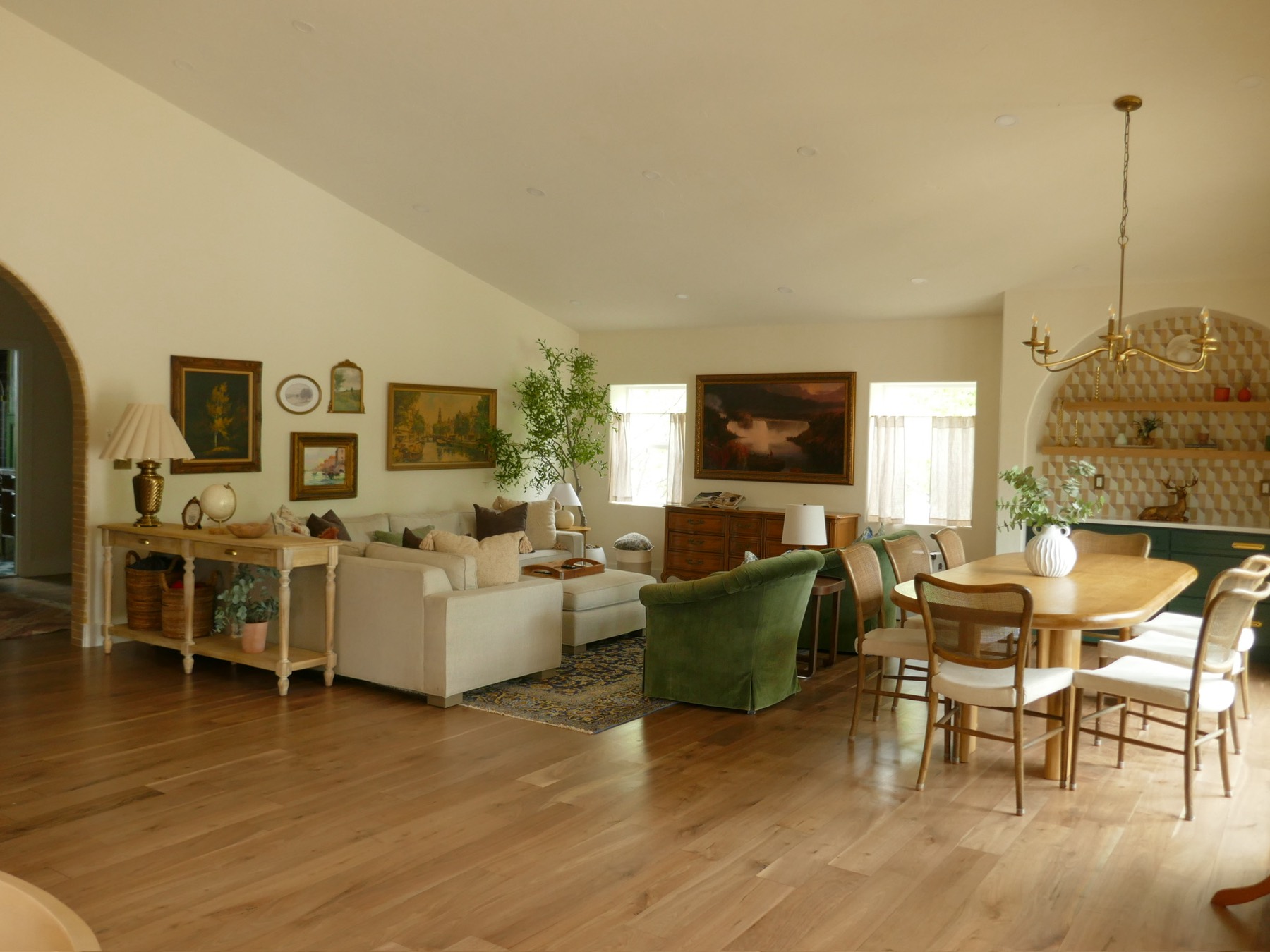
Renovating in Wash Park usually means working around an early-1900s bungalow or Denver Square that's beautiful from the curb and a little awkward inside. Expect small original rooms, a tiny kitchen, and a layout that made sense in 1925. The work is less about starting over and more about opening things up without erasing what makes the house worth keeping.
What kind of homes are in Wash Park?
Most of Wash Park is housing built between the early 1900s and the 1940s, wrapped around the 160-plus acres of Washington Park itself. You'll mainly run into three types on these tree-lined blocks:
- Denver bungalows — low-slung, with a front porch and a lot of original woodwork worth saving.
- Denver Squares — the local take on the American foursquare, boxy and solid with good bones for a second story.
- Victorians — fewer of them, more ornate, and usually the most particular to renovate.
Because lots here hold their value, the neighborhood stays an active remodel and luxury-infill market. On a single block you might see a careful historic restoration next to a full scrape-and-rebuild.
What should you keep vs. update in a Wash Park home?
Keep the character that's hard to fake and update the systems that quietly fail. The original details — millwork, built-ins, leaded glass, a real fireplace, oak floors under the carpet — are the reason people pay to live in a Wash Park bungalow in the first place, so we fight to save them.
What's fair game to change: the choppy floor plan, the cramped kitchen, the single bathroom, and everything behind the walls. Knob-and-tube wiring, old galvanized plumbing, and a furnace from another era aren't charming, they're just old. The trick in any Wash Park home remodel is editing with a light hand so the updates feel like they belong.
What are the most common Wash Park renovation projects?
The single most common project is opening up the back of the house — kitchen, dining, and living into one connected space. Those original layouts were built as a series of small, separate rooms, and that's the thing most families want to undo.
- Kitchen remodels that borrow a few feet from a hallway, pantry, or back porch.
- Primary suite additions, since most of these homes never had one.
- Basement finishes for a guest room, gym, or kids' space.
- Pop-tops and rear additions when the footprint just can't stretch any further.
The goal isn't to make a 1920s house pretend it's new. It's to make it work like 2026 while still feeling like Wash Park.
Is it better to remodel or scrape-and-build in Wash Park?
For most homeowners here, renovating and adding on beats moving or scraping. Lots are valuable enough that putting money into the house you have usually pays off, and you get to keep a facade and a streetscape that a new build can't replicate.
That said, scrape-and-build is the right call when the existing structure is too far gone or the layout fights you at every turn. The honest answer depends on your house, your block, and how much of the original you actually love. Good Wash Park Denver interior design starts by being straight with you about which path makes sense before anyone swings a hammer.
Quick answers
Can you add a second story to a Denver Square?
Often yes — Squares have the structure for a pop-top, though it depends on your specific home and Denver's zoning and permitting for the lot.
Will a remodel ruin my bungalow's character?
It shouldn't. Done well, renovating in Washington Park preserves the woodwork and porch you love while fixing the cramped layout behind them.
Why are Wash Park kitchens so small?
They were built in an era when kitchens were closed-off work rooms, not gathering spaces — which is exactly why opening them up is the most requested project.
We're The Curated Room, a Denver design and design-build studio that handles the whole thing — design, build, and styling — under one roof. If you've got a Wash Park bungalow or Square with great bones and a frustrating floor plan, that's exactly the kind of puzzle we like to solve. Come say hello.
← Back to The Journal