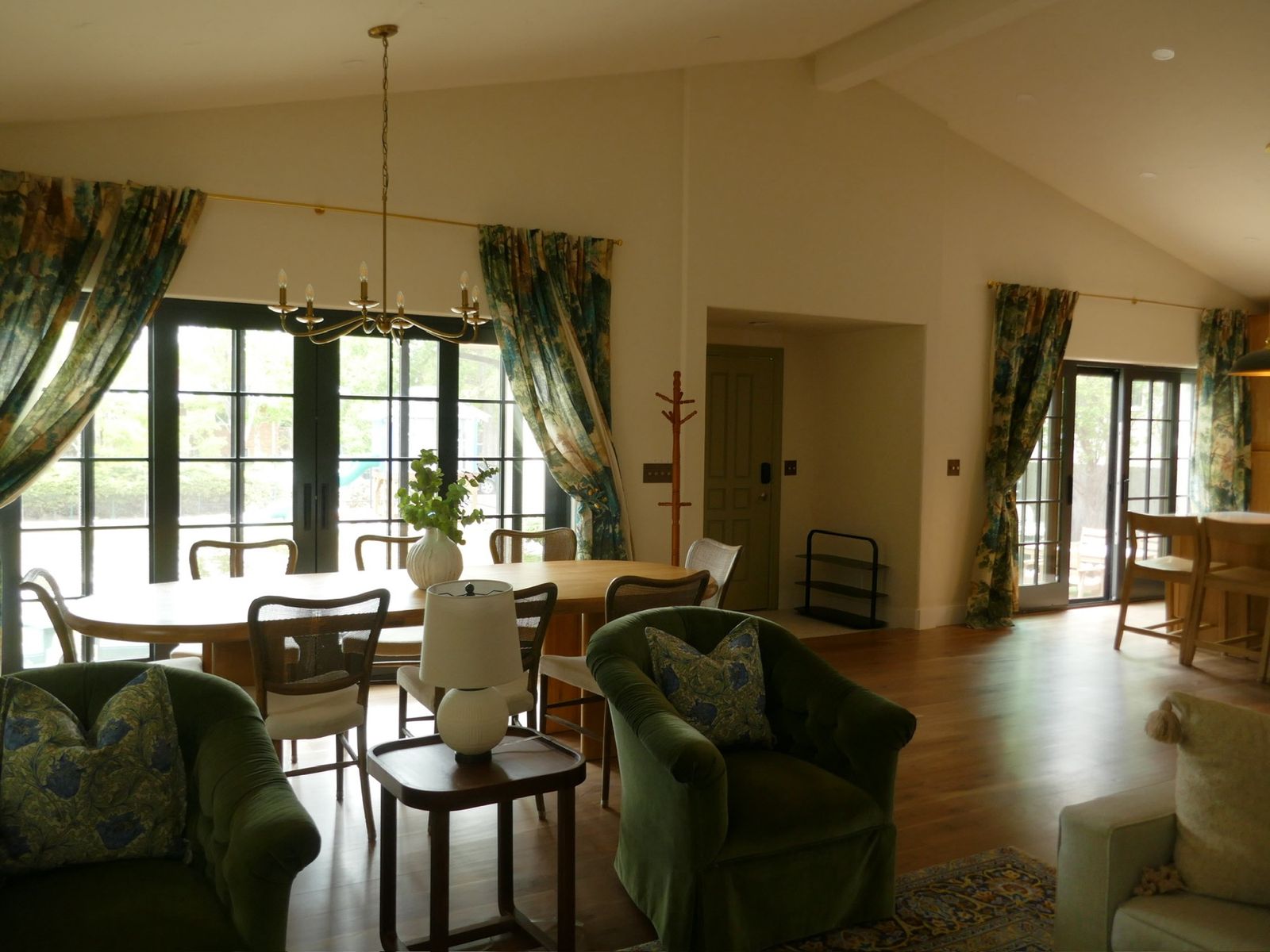
There's a specific kind of love people fall into with Denver's old houses — the kind that survives a damp basement and a kitchen you can't turn around in. If you're circling a bungalow in Wash Park or Berkeley, or you already own one and you're wondering what you're in for, here's the honest version. Renovating one of these is among the most rewarding things you can do to a house. It also goes a lot better when you know the terrain.
Why they're worth saving
Denver's classic stock — bungalows, Craftsman homes, Tudors, and the local four-square known as the Denver Square — went up mostly between about 1900 and 1940, concentrated in Wash Park, Berkeley (and its Harkness Heights historic pocket), Congress Park, Platt Park, Park Hill, and Capitol Hill. They were built by hand, in proportions and materials that are genuinely hard to reproduce now.
That's the whole case for keeping them. Arched openings, original built-ins, real wood floors, plaster with a little wave in it, leaded glass — this is the character people drive across town to find. A good renovation doesn't scrub that away. It clears out what's tired and lets the good bones do what they've always done.
What to keep, what to change
The skill is telling character apart from inconvenience. Some things are the soul of the house. Others are just old, and replacing them costs you nothing in charm.
Protect where you can: original floors, trim, and built-ins; arched openings and plaster details; leaded or divided-light windows; the front facade's proportions; period doors and hardware. Modernize freely: insulation, wiring, plumbing, heating and cooling, and the chopped-up layouts that no longer fit how anyone lives. The goal isn't to embalm the house in 1925 — it's to keep what makes it feel like itself and let it work for a family in 2026.
What's hiding behind the plaster
This is the part that ambushes people, so plan for it now. A house this old has lived several lives, and not all its systems aged with dignity:
- Knob-and-tube or undersized electrical that can't carry a modern load
- Galvanized or cast-iron plumbing near the end of its run
- Settling or rubble foundations that may want attention
- Low basement ceilings that limit what's possible down there
- Tiny, closed-off rooms, a sealed-off kitchen, and closets that hold roughly one coat
- Insulation gaps that make the place pricey to heat
None of that is a reason to walk away. It's just the cost of admission for a house with a soul — and it belongs in the plan on day one, not as a month-three surprise.
The goal isn't to freeze the house in 1925 — it's to keep what makes it feel like itself and let it work for the way you actually live.
Historic districts and the permit reality
Denver has a lot of designated historic districts, and chunks of Berkeley and Wash Park sit inside them. If your home is in one — or is its own landmark — exterior changes can require design review before you proceed. That's not a wall; it's a timeline you build around. As of 2026, expect review for exterior alterations in designated areas to add time up front, and ordinary permitting to take a while regardless. Confirm your home's status early, before you've fallen for a plan that won't clear review.
Budget for the unknown
Here's the most useful sentence we can give you: old houses keep secrets, and the walls hold most of them. You won't meet the cracked drain line or the framing somebody improvised in 1968 until you open things up. So set money aside for it — a real contingency, decided before the work starts. A renovation rarely goes sideways because something unexpected appeared. It goes sideways when there was no room in the budget when it did.
Blending old and new without the seams showing
The houses that age beautifully are the ones where the new work looks like it was always meant to be there. That means opening the plan just enough to breathe — not gutting the rooms that gave the house its rhythm — and choosing materials that talk to the originals: natural oak, real plaster, heritage colors, lighting that feels of the era without cosplaying as antique.
Our Berkeley House was exactly this — a 1930s home taken to the studs, with a new basement and a reworked layout, but its soul left fully intact. The whole trick was restraint: knowing which walls to move and which character to defend. When old and new are blended with care, no one walking through can quite find the seam.
We love these old Denver homes — the bungalows, the Squares, the ones with a wave in the plaster — and we think they deserve to be renovated, not erased. If you're standing in one right now, picturing what it could be, that's a good instinct. It's the whole idea behind what we do.
← Back to The Journal