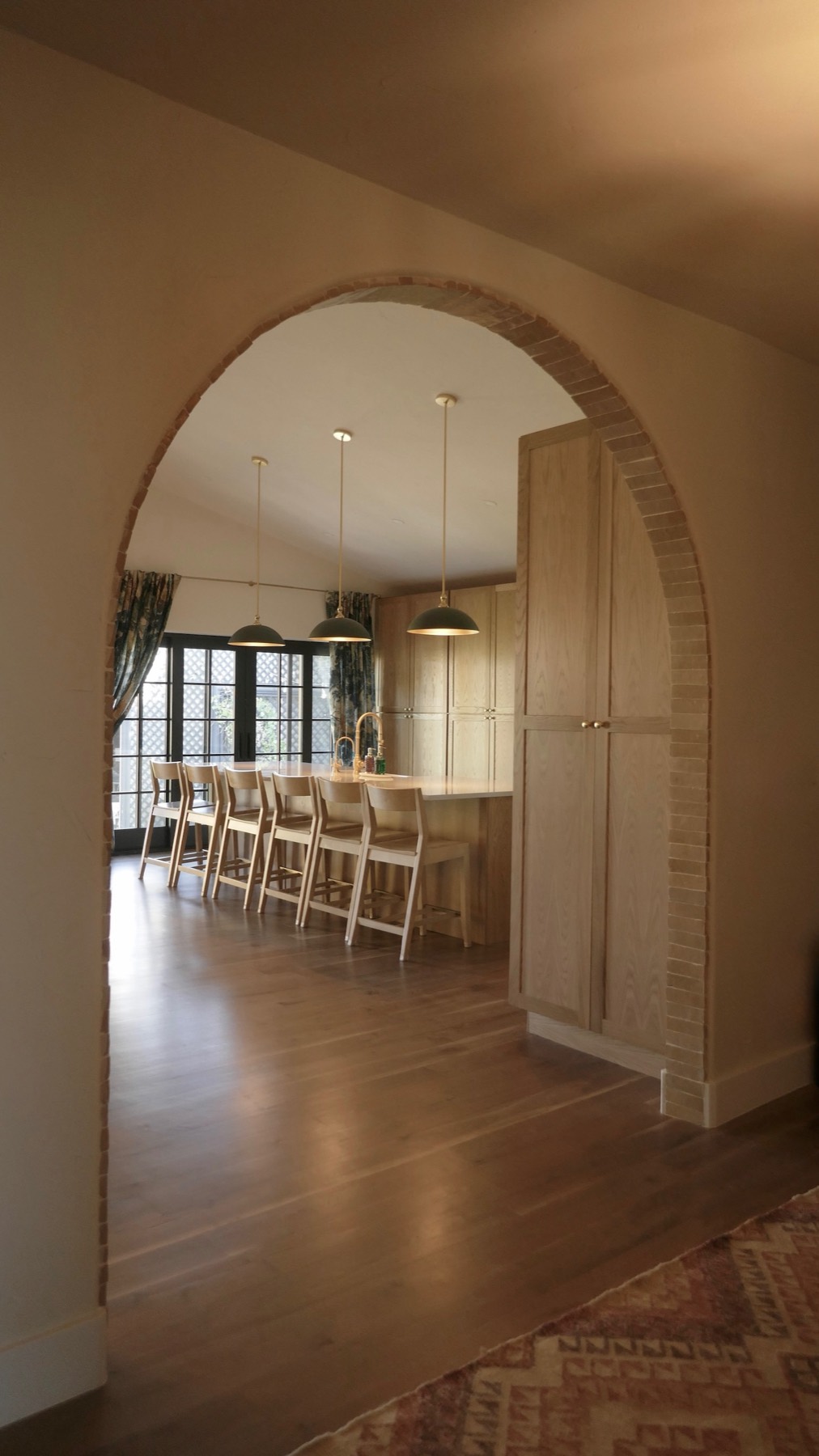
Renovating in the Highlands means working inside one of Denver's oldest, most walkable neighborhoods while playing by very current rules. You're likely starting with a century-old Victorian, Denver Square, or bungalow on a tight lot, surrounded by a mix of original homes and sleek modern infill. The work tends to focus on opening up cramped floor plans, adding square footage upward, and making old bones feel right for how people actually live now.
What are the homes like in the Highlands?
The original housing stock is brick Victorians, Denver Squares, and bungalows, most built when downtown was a streetcar ride away. They're charming and solid, but they were designed for smaller, more compartmentalized lives: tight kitchens, a warren of small rooms, low-capacity electrical. What makes the Highlands distinct now is how heavily it's been mixed. You'll see a 1900s bungalow next to a flat-roofed modern duplex next to a new townhome, all on the same block. That collision of old and new is basically the neighborhood's signature.
Old Victorian or modern build — which should you renovate?
It depends on what you want to spend your money fixing versus your money expressing. An older Victorian or bungalow buys you character you cannot fake: real plaster, original trim, transoms, a front porch with actual proportions. The trade-off is the stuff behind the walls — knob-and-tube wiring, old plumbing, foundations that have settled for a century.
- Choose the old home if you love the detail and accept that some of your budget goes to systems no one will ever see.
- Choose the modern infill if you'd rather put dollars into finishes and layout than into catching a building up to code.
- Either way, get a real look at the bones before you fall in love. A charming facade can hide an expensive surprise.
The best Highlands remodels don't pick a side. They let the old house stay an old house and let the new work read clearly as new.
Why are pop-tops and additions so common in the Highlands?
Because the location is too good to leave and the lots are too small to spread out on. These homes sit close to downtown, the LoHi restaurant scene, and the bars and shops around 32nd and Lowell, with skyline views as a bonus. People don't want to give that up to chase square footage in the suburbs, so they add up instead of out. A pop-top — adding a second story or raising the roofline — lets a one-story bungalow become a full family home without moving an inch. On a premium, walkable lot, building upward is often the most sensible way to get the space you need.
How do you make old and new live together on a tight Highlands lot?
You commit to a relationship between the two instead of hoping no one notices the seam. The additions that age well don't try to forge a fake Victorian second story; they stay honest about being new while respecting the original's scale, roofline, and materials. A few things that help:
- Match the rhythm, not the costume — echo window proportions and rooflines without faux-historic trim.
- Let the original detail lead inside, and keep new work calmer so it doesn't compete.
- Mind the lot lines early. Tight setbacks and neighboring builds shape what you can do up top, so design with the block in mind.
Quick answers
Is it worth renovating an old Highlands home?
Usually yes, if you value the character and location. Just budget for the unglamorous systems work hiding behind original walls.
What is a pop-top?
Adding a second story or raising the roofline of an existing house to gain space without expanding the footprint — very common on the Highlands' small lots.
Can a modern addition look right on a Victorian?
Yes, when it respects the old home's scale and materials and reads honestly as new rather than imitating the original.
At The Curated Room, we work on both sides of that line — the design and the build — which is what it takes to make an old Highlands home and a new addition feel like one place. If you're weighing a remodel, an addition, or a pop-top in the Highlands or LoHi, we're glad to walk the house with you.
← Back to The Journal