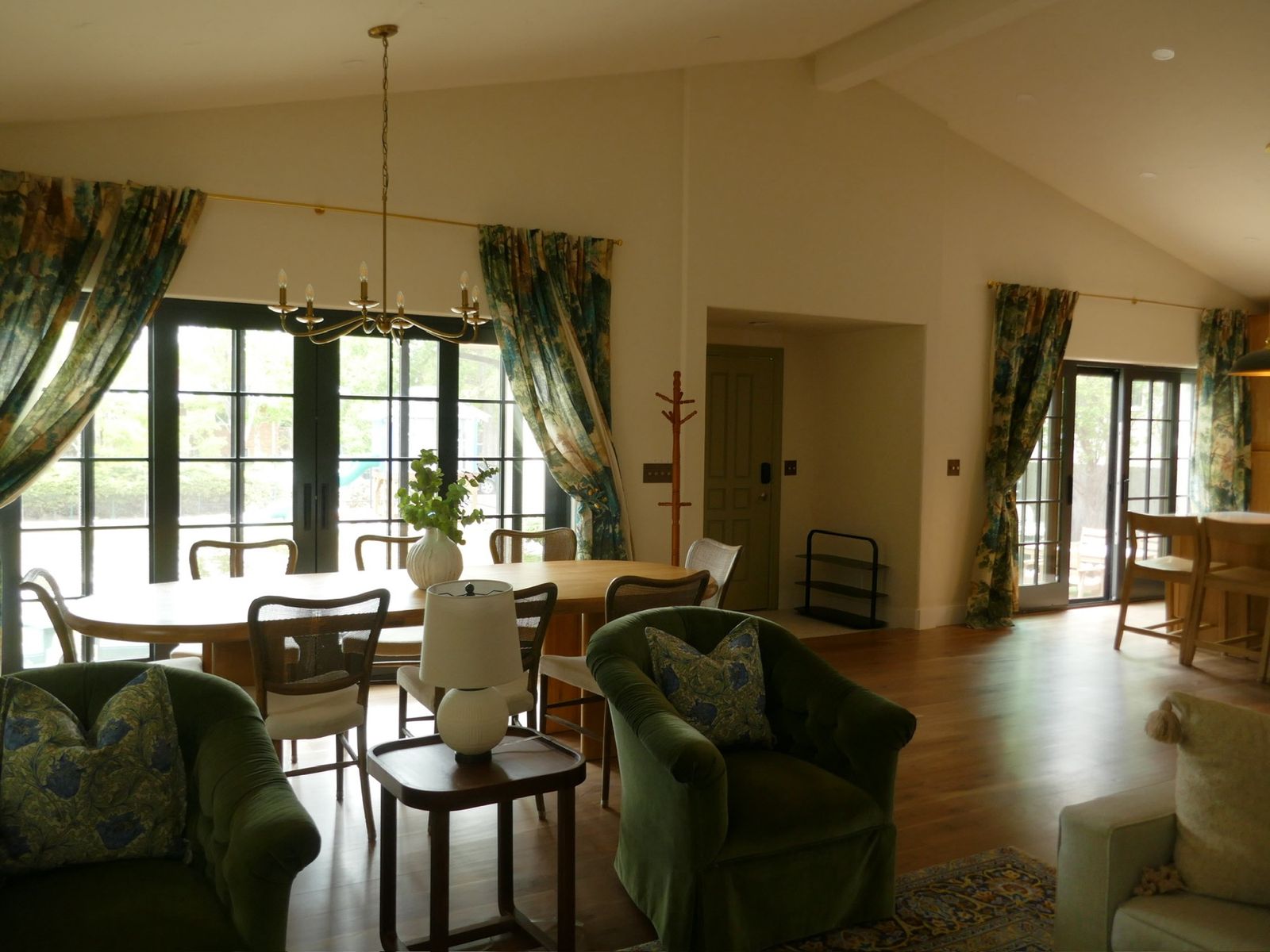
Renovating in Berkeley means working with character, not against it. Most homes here are 1920s–30s Tudors, brick bungalows, and Denver Squares, so the smart moves are the same ones we made on our Berkeley House: rework a chopped-up floor plan, dig out or finish the basement for real square footage, and keep the original details that give the place its soul. Expect older bones, occasional surprises behind the plaster, and a neighborhood that rewards a thoughtful remodel over a gut-and-flip.
What are Berkeley's homes like?
Berkeley's housing stock is mostly pre-war: Tudors, brick bungalows, Denver Squares, with newer townhomes and duplexes filling in the gaps. It sits in Northwest Denver between Berkeley Lake and Rocky Mountain Lake parks, with Tennyson Street as the walkable spine for shops, restaurants, and the art walk. The east side, Harkness Heights, is a designated historic area with larger brick bungalows and Squares on bigger lots.
What this means for a remodel: you're rarely starting from a blank box. These homes were built with plaster walls, narrow doorways, formal room divisions, and basements that were never meant for daily living. The upside is craftsmanship you can't buy new. The catch is that every house has its own quirks, and you find them once the walls are open.
What's worth preserving in a Berkeley home?
Preserve the things that can't be replicated: original trim, hardwood floors, leaded or divided-light windows, arched doorways, and the stone or brick exterior. On our Berkeley House we took the place to the studs but kept its soul intact, which is the whole point. You can modernize systems and open up a layout without erasing what made someone fall for the house in the first place.
Details we almost always fight to keep:
- Solid-wood doors, original hardware, and baseboards
- Coved ceilings and plaster archways
- Hardwood floors worth refinishing rather than replacing
- Tudor brick and stonework on the facade
- Built-ins and original fireplace surrounds
The stuff that can go without guilt: aluminum windows from a bad 1980s redo, popcorn ceilings, and any "updates" that fought the house instead of helping it.
What renovations are most common in Berkeley?
The most common project here is a layout rework paired with a basement transformation. Older Berkeley homes tend to have small, closed-off kitchens and unfinished or low-ceiling basements. Opening the main floor and turning that basement into livable space — a suite, a family room, a real laundry — adds the square footage families need without changing the footprint or the streetscape.
Other frequent jobs: kitchen and bath gut-renovations, full mechanical and electrical updates (knob-and-tube and old galvanized plumbing are common), and energy upgrades that older brick homes badly need. Because the neighborhood is steadily gentrifying, a lot of this is thoughtful, design-led work rather than quick flips.
Take the house to the studs, modernize everything that's hidden, and protect everything you can see. That's how a 1930s home gets to keep its soul.
Can you add on or pop the top in Berkeley?
Yes, additions and pop-tops are common in Berkeley, but the process depends on which part of the neighborhood you're in. Across most of Berkeley, owners add second stories and rear additions to gain bedrooms while keeping the home on its lot. It's one of the better ways to grow a small bungalow without leaving a block you love.
The wrinkle is Harkness Heights. As a designated historic area, exterior changes there can trigger an additional design review, which adds time to the schedule and shapes what's allowed on the street-facing elevations. It's not a dead end, it's a planning step. Build it into your timeline early, design the addition to respect the original massing, and the review tends to go smoother.
Quick answers
Is Berkeley a good neighborhood to renovate in?
Yes. It has solid pre-war housing stock, two lake parks, and a walkable Tennyson Street, and it's gentrifying steadily, so a quality remodel holds its value well.
Do I need historic review to remodel in Berkeley?
Only in Harkness Heights, the designated historic area on the east side, and mainly for exterior changes. Most of Berkeley has no such review.
What's the best way to add space to a Berkeley bungalow?
Finishing or digging out the basement and adding a pop-top are the two highest-impact moves, since they add real square footage without changing the home's footprint.
Our Berkeley House was a 1930s home we took to the studs, gave a new basement and a smarter layout, and handed back with its character intact. That's the work we love at The Curated Room, helping Northwest Denver homes grow up without losing the thing that made them worth saving.
← Back to The Journal